

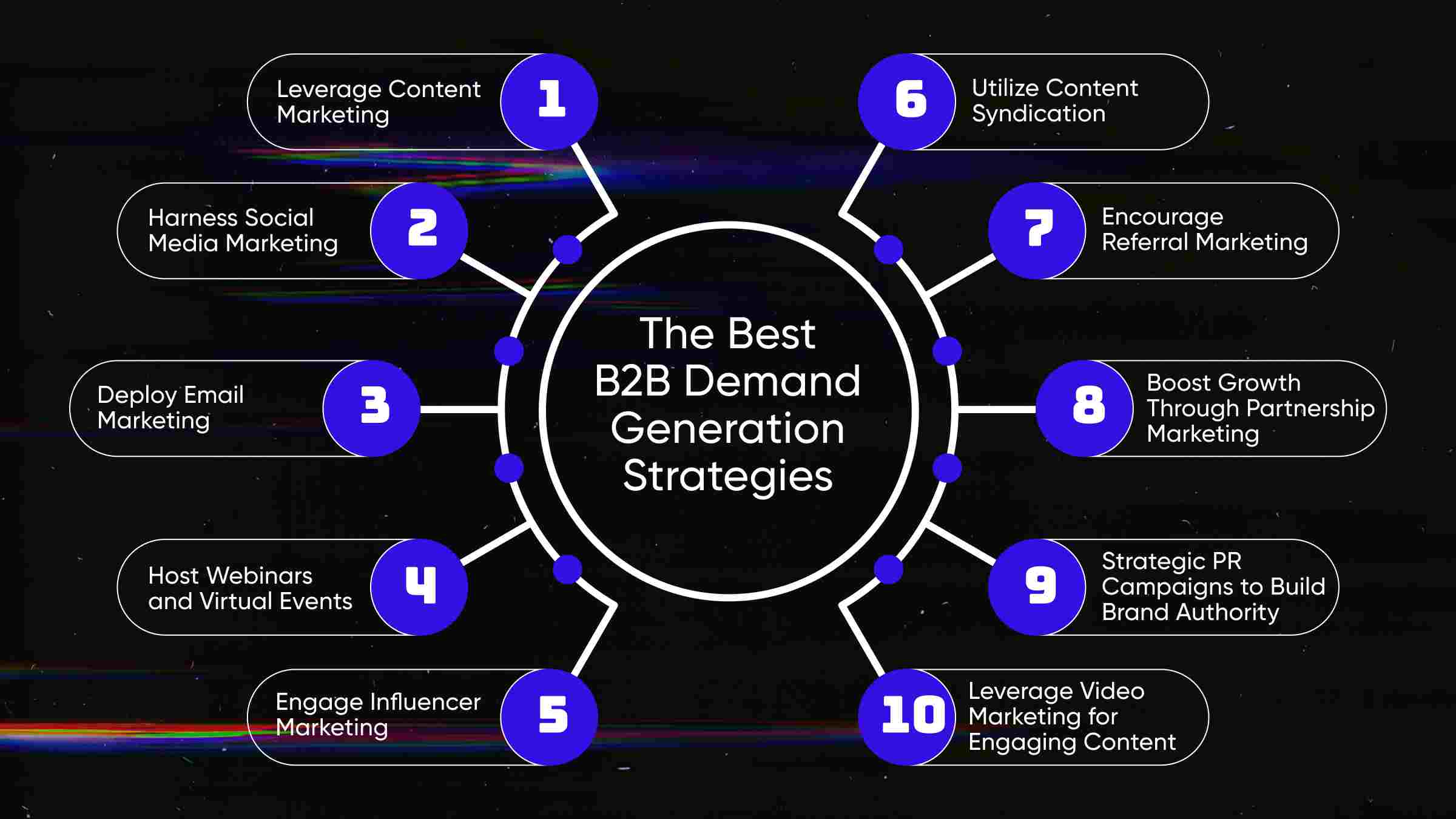
Business-to-business (B2B) marketing is an ever-evolving landscape that requires innovative approaches to stay ahead of the competition. Here are six tips to boost your B2B strategy, ensuring it remains effective and relevant in a dynamic market.
Table of Contents
1. Understand Your Target Audience
Understanding your target audience is fundamental to any successful B2B strategy. Unlike B2C, where you might be targeting a broad audience, B2B marketing often focuses on specific niches. Start by developing detailed buyer personas, which include demographic information, job roles, pain points, and decision-making processes. Use tools like LinkedIn and industry-specific forums to gather insights about your potential clients. This deeper understanding allows you to tailor your messaging and content to address the unique needs and challenges of your audience, leading to higher engagement and conversion rates. Moreover, if you’re looking for some specific information or documents on your target audience consider using Google search operators to find those seamlessly.
2. Leverage Content Marketing
Content marketing is a powerful tool in B2B strategy. High-quality content not only positions your company as an industry leader but also provides value to your prospects and clients. Develop a content calendar that includes a mix of blog posts, whitepapers, case studies, and webinars. Focus on creating content that educates and informs your audience, addressing common questions and problems they face. Additionally, ensure your content is SEO-optimized to improve visibility and attract organic traffic. Regularly updating your content to reflect the latest industry trends and insights can also keep your audience engaged and coming back for more.
3. Utilize Social Media Effectively
While LinkedIn is the go-to platform for B2B marketing, don’t overlook other social media channels like Twitter, Facebook, and even Instagram, depending on your industry. Incorporating trending Instagram Reels songs can also help make your content more engaging and relatable to a wider audience. Social media can be an excellent way to connect with industry professionals, share valuable content, and engage in meaningful conversations. Participate in relevant groups and discussions, and don’t shy away from using paid social media campaigns to increase your reach. Consistent and thoughtful engagement on these platforms can help build your brand’s credibility and foster relationships with potential clients.
Moreover, consider looking through your followers and remove Twitter followers or even those on other platforms that look like spam accounts.
4. Invest in Marketing Automation
Marketing automation tools can significantly enhance your B2B strategy by streamlining and optimizing your marketing efforts. Tools like HubSpot, Marketo, and Pardot allow you to automate email campaigns, manage leads, and track customer interactions across multiple channels. By automating repetitive tasks, you free up time for your team to focus on strategy and creativity. Additionally, these tools provide valuable data and insights, helping you to understand the effectiveness of your campaigns and make data-driven decisions to improve your marketing efforts.
5. Build Strong Partnerships
Building strong partnerships with other businesses can be a game-changer for your B2B strategy. Look for opportunities to collaborate with companies that offer complementary products or services. These partnerships can open doors to new markets and customer bases, as well as provide valuable resources and insights. Joint marketing initiatives, co-hosted events, and referral programs are effective ways to leverage these partnerships. Ensure that any partnership is mutually beneficial and aligns with your overall business goals.
6. Measure and Optimize Your Efforts
Continuous improvement is key to a successful B2B strategy. Regularly measure the performance of your marketing campaigns using key metrics such as lead generation, conversion rates, and ROI. Use tools like Google Analytics, CRM software, and marketing dashboards to gather data and gain insights into what’s working and what’s not. Based on this data, optimize your strategies by adjusting your content, targeting, and marketing channels. A data-driven approach allows you to make informed decisions and continually refine your strategy to achieve better results.
Conclusion
In conclusion, a robust B2B strategy requires a deep understanding of your audience, effective use of content and social media, strategic automation, strong partnerships, and continuous optimization. By implementing these six tips, you can enhance your B2B marketing efforts and drive sustained business growth.
