

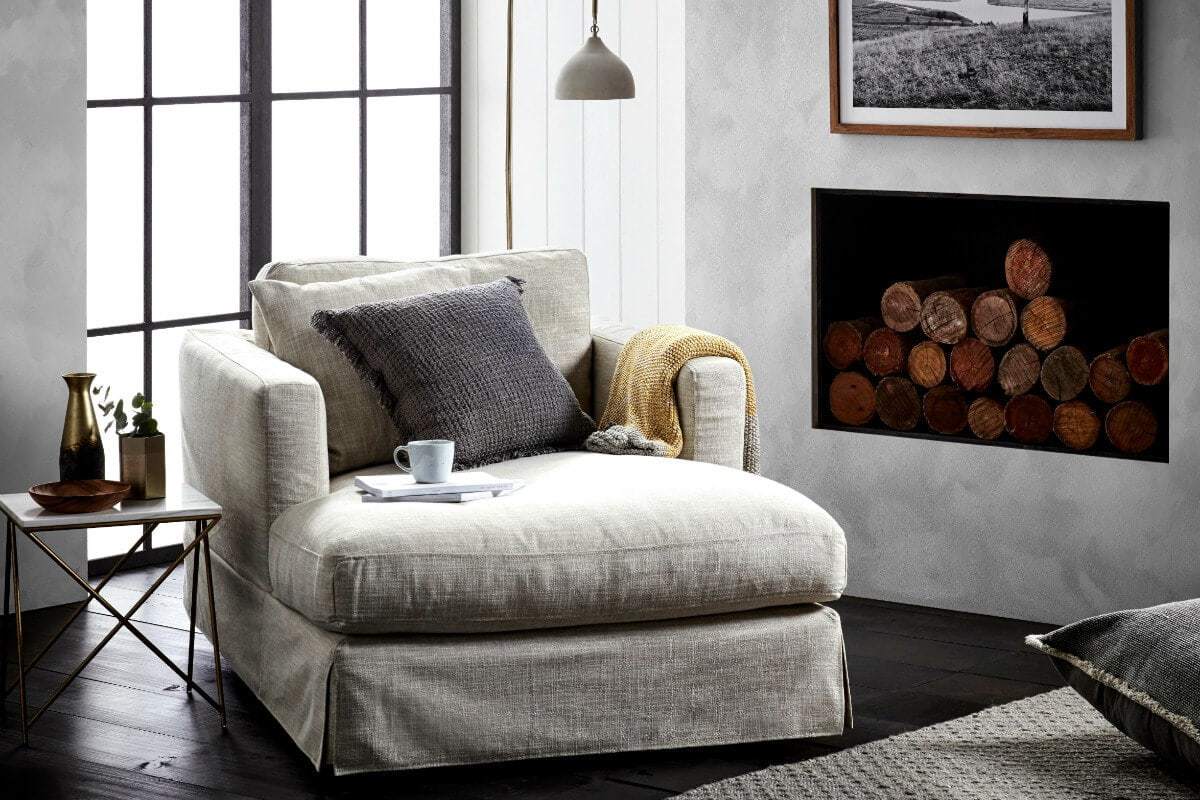
When I first created a reading corner at home, I focused on the chair, cushions and bookshelf. The space looked inviting during the day, but by evening it became uncomfortable. The overhead light felt too harsh, the book page remained unevenly lit, and shadows made reading tiring.
I realised that a cosy reading corner needs more than attractive furniture. It requires lighting that supports clear vision while creating a calm atmosphere. I combined a focused study lamp, softer LED bulbs and discreet LED strip lights to turn an unused corner into a space where I could read comfortably for longer.
Choose the Right Spot
I began by identifying a quiet corner away from the television and the busiest parts of the room. A position near a window gave me useful daylight, but I did not depend on natural light alone because the space also needed to work after sunset.
I observed how daylight entered the corner at different times. Direct sunlight on the page caused glare, while light coming from behind me created shadows. Positioning the chair slightly to the side of the window gave me softer illumination without making the page difficult to see.
I also left enough space for a side table, a lamp and easy access to books. This prevented the corner from feeling cramped once the lighting was added.
Start with Task Light
The most important layer was the light directed towards the book. I placed a Wipro study lamp beside the chair so that its illumination reached the page without shining directly into my eyes.
As I usually hold a book in front of me, positioning the lamp slightly behind and to the side reduced the shadow created by my hands. The adjustable design also allowed me to direct the light towards a book, notebook or tablet depending on what I was using.
Wipro’s table-lamp range includes options with adjustable brightness levels and shades of white. I found this useful because I did not need the same intensity for every activity. A brighter setting supported detailed reading, while a lower level felt more comfortable when I wanted to browse casually before bed.
The focused light improved visibility without forcing me to brighten the whole room.
Soften the Background
Although the study lamp made the page clear, using it in an otherwise dark room created too much contrast. My eyes constantly adjusted between the bright book and the dim surroundings, which made the corner less relaxing.
I added a nearby fixture fitted with warm Wipro LED bulbs to create a softer background layer. The warm light reduced the contrast around the chair and made the surrounding materials appear more inviting.
Wipro offers LED bulbs in different wattages and colour options, including warm white. Rather than choosing the highest wattage available, I selected an output that supported the task lamp without overpowering it.
This balance mattered. The study lamp remained the primary source for reading, while the LED bulb helped the corner feel connected to the rest of the room.
Add a Gentle Glow
The bookshelf behind the chair initially disappeared into shadow at night. Instead of adding another visible fixture, I introduced Wipro LED strip lights along the inner edge of the shelving.
The strip produced a subtle glow that highlighted the books and gave the corner more depth. Because the source was concealed, the light appeared to emerge from the furniture rather than from a prominent fitting.
Wipro’s LED strips are designed for applications such as shelves, architectural details and indirect illumination. Using them behind an edge kept the individual light points out of direct view and created a smoother effect.
I kept this layer dimmer than the study lamp. The purpose was to create atmosphere and visual interest, not to illuminate the reading material.
Pick a Comfortable Colour
Light colour had a noticeable effect on how long I wanted to remain in the corner. Very cool light made the area feel functional but did not create the warmth I associated with relaxation. Extremely warm light felt cosy, but it reduced clarity on the page.
I used a clearer shade of white for the Wipro study lamp and a warmer tone for the surrounding LED bulbs and strip lighting. This gave me useful task illumination while preserving a relaxed atmosphere.
I also avoided mixing too many visibly different colour temperatures. When every fitting produced a different shade, the corner looked disconnected. Keeping the supporting lights within a similar warm range created a more coherent setting.
Prevent Glare and Shadows
I tested the corner from my normal seated position rather than judging the lighting while standing. This revealed reflections on glossy book pages and showed whether the lamp itself remained within my direct line of sight.
I adjusted the lamp head until the light covered both pages evenly. I also ensured that the exposed bulb was shaded, since an uncovered source became distracting at eye level.
The LED strip was placed behind the shelf edge so that I saw its glow rather than the individual LEDs. These small changes made the lighting feel softer without reducing its usefulness.
Keep Essentials Close
Lighting helped define the corner, but comfort also depended on the surrounding arrangement. I added a supportive chair, a small table and a place to keep my current books.
The table gave the study lamp a stable position and kept a drink within reach. A soft rug and cushion helped absorb some of the visual hardness of the room, while the illuminated shelf made the corner feel intentionally designed.
I kept electrical wires organised along the furniture edge rather than allowing them to cross the floor. This preserved the clean appearance and reduced the risk of tripping.
Use Only What You Need
I placed the lighting layers on separate controls so that I did not have to operate everything together. During the day, the study lamp alone was often enough. In the evening, I added the LED bulbs and strip glow to create a calmer setting.
Adjustable lighting also prevented unnecessary brightness. I could increase the task light for detailed reading and lower it when I wanted a more restful atmosphere.
This made the reading corner adaptable rather than fixed around one intense lighting level.
A Corner That Invites Me to Pause
My reading corner became cosy only when comfort and visibility were planned together. The Wipro study lamp gave me directed light where I needed it, warm LED bulbs softened the surroundings, and concealed LED strip lights added depth to the bookshelf.
Instead of relying on one overhead source, I created layers that supported both reading and relaxation. The result was a small, thoughtfully lit retreat that encouraged me to slow down, open a book and stay a little longer.
