

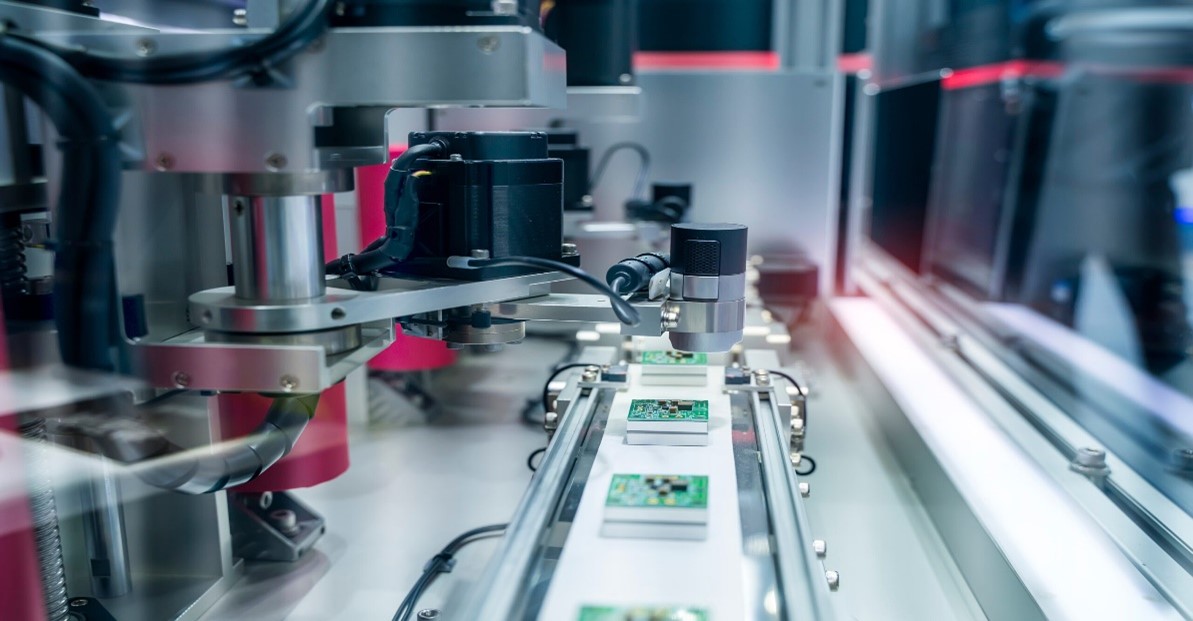
Automated visual inspection is no longer just a futuristic buzzword—it’s a technology that’s actively reshaping how industries approach quality control. By combining artificial intelligence, computer vision, and advanced imaging systems, companies are now able to detect defects, improve product reliability, and reduce costs at a scale that manual inspection simply can’t match.
Table of Contents
What Is Automated Visual Inspection?
At its core, automated visual inspection uses cameras, sensors, and AI-driven software to “see” and analyze products on a production line. Instead of relying solely on human inspectors, machines can scan thousands of items per hour, flagging anything that doesn’t meet quality standards.
Think of it as a second pair of eyes—only faster, sharper, and immune to fatigue.
Why It Matters for Modern Manufacturing
Today’s industries run on precision. Whether it’s automotive parts, medical devices, or electronics, one small defect can create ripple effects—damaged reputation, customer returns, or even safety risks. Automated visual inspection gives businesses:
- Higher accuracy: Machines spot microscopic flaws invisible to the human eye.
- Consistency: Zero risk of human error due to fatigue or distraction.
- Scalability: Inspection processes that grow with production demand.
- Data insights: Systems generate actionable reports for continuous improvement.
Key Industries Using Automated Visual Inspection
This isn’t just a one-industry wonder. Let’s break down where the adoption is skyrocketing:
- Automotive: Spotting paint scratches, weld inconsistencies, or component alignment.
- Pharmaceuticals: Ensuring pill coatings, packaging seals, and labeling accuracy.
- Electronics: Detecting soldering issues on circuit boards.
- Food & Beverage: Monitoring packaging, labeling, and product uniformity.
- Aerospace: Checking materials for cracks, deformations, or micro-defects.
The universality of inspection needs means this technology isn’t going anywhere—it’s expanding.
How the Technology Works
The process may sound complex, but the workflow is surprisingly elegant:
- Image Capture – High-resolution cameras and sensors record product surfaces from multiple angles.
- Data Processing – AI algorithms analyze visual data for shape, color, texture, or structural deviations.
- Defect Detection – The system flags anomalies like scratches, dents, misprints, or missing parts.
- Classification – Issues are categorized (minor cosmetic vs. major functional defect).
- Feedback Loop – Data feeds back into production systems to fix problems early.
It’s not just about catching errors—it’s about preventing them through data-driven adjustments.
Advantages Over Manual Inspection
Humans are incredible at pattern recognition, but there are natural limits. Machines, by comparison, bring:
- 24/7 uptime without breaks.
- Faster throughput with thousands of items inspected per minute.
- Objective judgment without fatigue, bias, or inconsistency.
- Traceable data logs that auditors love.
Manual inspection still has its place, especially in niche or small-batch scenarios, but when scale is the goal, automation dominates.
Challenges in Implementation
Like all disruptive tech, automated visual inspection comes with hurdles:
- High setup costs – Cameras, sensors, and AI platforms require investment.
- Complex integration – Linking with legacy manufacturing systems isn’t always smooth.
- Data overload – Too much data without the right analytics can overwhelm.
- Specialized expertise – Teams need training to manage, interpret, and optimize these systems.
Yet the long-term payoff—reduced defects, lower costs, higher customer satisfaction—makes the ROI compelling.
The Role of AI and Machine Learning
What makes today’s automated visual inspection different from older “machine vision” systems is the AI layer. Machine learning models can:
- Adapt to new defect types without total reprogramming.
- Improve accuracy over time by learning from datasets.
- Handle complex patterns in industries like textiles or semiconductors.
Essentially, the system gets smarter the longer it runs.
Real-World Examples
- Tesla: Uses AI-driven visual inspection for car paint jobs and panel alignment.
- Pfizer: Monitors pill coating and packaging quality on high-speed lines.
- Samsung: Inspects solder joints and connectors on microchips.
These aren’t experiments—they’re core parts of production pipelines.
Future Outlook
Automated visual inspection is set to evolve in three big ways:
- Edge Computing: Processing data at the factory floor, reducing latency.
- Cloud Integration: Centralized analysis across global manufacturing hubs.
- IoT + Predictive Maintenance: Using inspection data to forecast machine failures.
Soon, this won’t just be about finding defects—it’ll be about predicting and preventing them entirely.
Final Thoughts
Automated visual inspection isn’t just a tech upgrade—it’s a strategic advantage. Companies adopting it now are setting themselves up for stronger customer trust, smoother compliance, and more efficient operations.
In a world where one faulty batch can ruin a reputation, inspection powered by AI and automation is more than insurance—it’s the future of quality control.
