

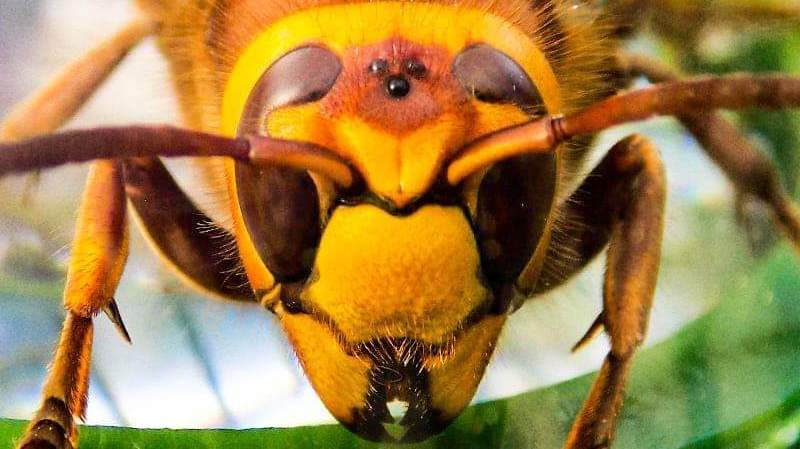
The buzzing sound of flying insects can strike fear and annoyance in many individuals, especially when dealing with aggressive species like hornets. In the UK, where a variety of flying insects thrive, understanding how to identify and control these pests is essential for a peaceful coexistence. This comprehensive guide aims to shed light on common ukflying insects, with a focus on hornets, and provides effective strategies for safely managing their presence. From proactive prevention measures to humane removal techniques, equip yourself with the knowledge to tackle flying insect infestations with confidence.
Exploring the World of Flying Insects in the UK:
The United Kingdom is home to a diverse range of flying insects, each with unique characteristics and behaviors. Understanding the profiles of these insects can help you identify and address infestations more effectively. Some common flying insects found in the UK include:
- Bees:
- Bees play a crucial role in pollination and ecosystem health. While they are generally beneficial, some species like wasps can become aggressive when provoked.
- Wasps:
- Wasps are known for their distinctive black and yellow stripes and can be aggressive when defending their nests. Identifying and addressing wasp nests promptly is essential to prevent stings and ensure safety.
- Flies:
- Flies are prevalent in the UK and can be carriers of diseases. Proper sanitation and waste management are key to reducing fly populations in homes and businesses.
- Hornets:
- Hornets are a larger species of wasps known for their menacing appearance and painful stings. Managing hornet infestations requires careful planning and professional assistance in some cases.
Effective Strategies for Managing Hornets and Flying Insects:
- Prevention Measures:
- Seal cracks and crevices in buildings to prevent insect entry.
- Keep outdoor trash cans tightly closed to deter flying insects.
- Maintain clean living spaces to reduce attractants for pests.
- Natural Repellents:
- Use aromatic herbs like peppermint and lavender to repel flying insects.
- Plant insect-repelling flowers like marigolds and chrysanthemums in outdoor spaces.
- Professional Pest Control Services:
- For severe infestations or challenging pests like hornets, seeking assistance from pest control professionals is recommended.
- Trained experts can safely remove nests and implement effective control strategies to manage flying insect populations.
How to Get Rid of Hornets Safely and Humanely:
- Identify and Locate the Nest:
- A key step in hornet removal is locating the nest, which is typically found in trees, under eaves, or in wall voids. Exercise caution when approaching the nest to avoid provoking the insects.
- Plan and Execute Removal:
- When removing a hornet nest, wear protective clothing and use insecticidal sprays specifically designed for stinging insects.
- Wait until evening or early morning when hornets are less active to minimize the risk of confrontation.
- Monitor and Prevent Future Infestations:
- After removing the hornet nest, monitor the area for any signs of re-infestation.
- Implement preventative measures, such as sealing entry points and eliminating food sources, to deter hornets from returning.
Conclusion:
Flying insects, including hornets, can pose challenges for homeowners and businesses in the UK. By familiarizing yourself with the characteristics of common flying insects, implementing proactive prevention measures, and seeking professional assistance when necessary, you can effectively manage flying insect infestations and create a safer environment. Remember that safety is paramount when dealing with aggressive species like hornets, and taking a humane approach to pest control is essential for coexisting harmoniously with the natural ecosystem. Armed with the knowledge and strategies outlined in this guide, you can navigate the world of UK flying insects with confidence and ensure a pest-free living environment for yourself and your loved ones.
